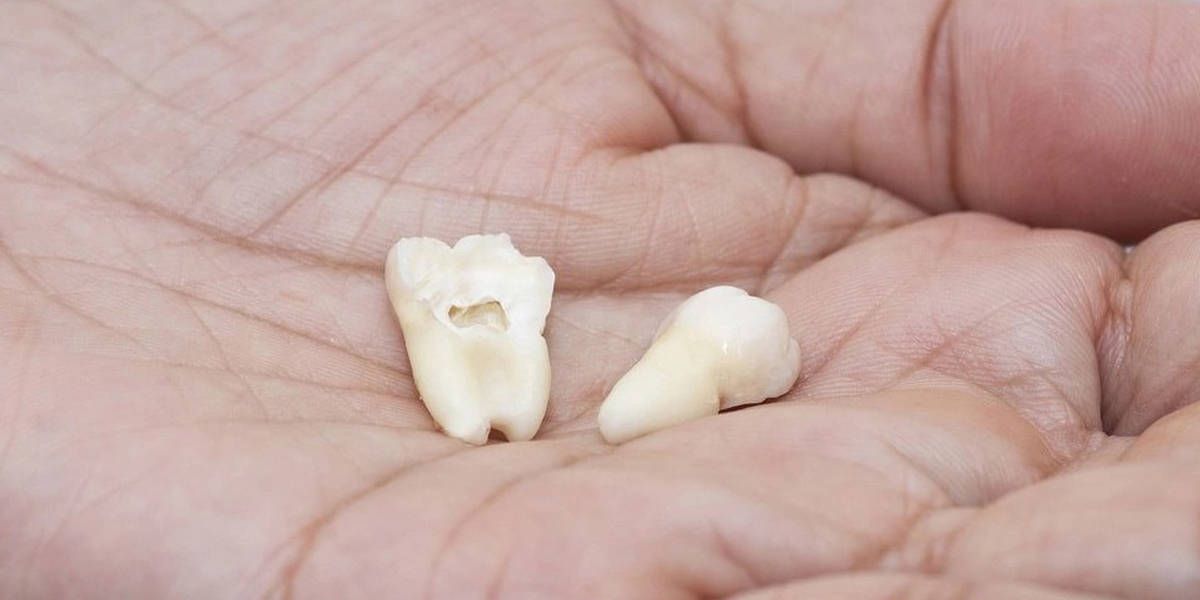
Here’s Easy Survival Tips For Your Next Tooth Extraction
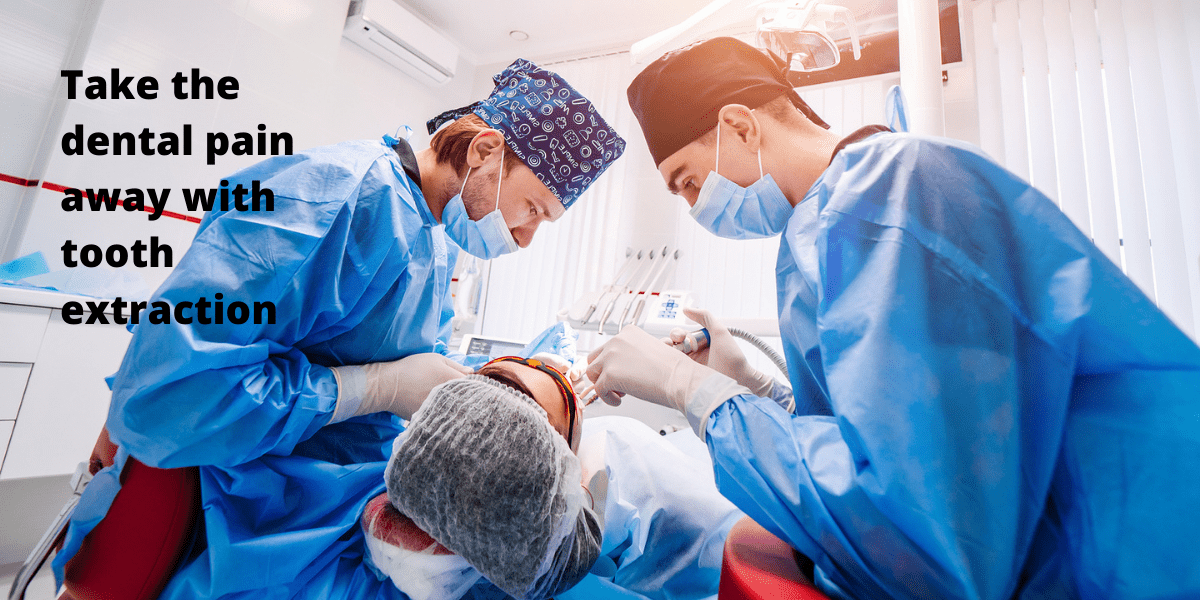
Finally, you’re getting a tooth extraction. If you need to have a tooth extracted, the most important thing is not to panic. Tooth extraction is a standard dental procedure, and your dentist will take care of everything for you. Here are five tips you can follow to survive a tooth extraction like a pro.
Tooth extraction survival tips
Tip 1: Inform your dentist about your medical history.
Are you suffering from any medical conditions? If so, your dentist should know about it. When you visit your dentist, make sure to fill out the forms they give you before your dental X-ray. Moreover, include a list of all the current medications, vitamins, and supplements you have taken. Why is this important? In this way, your dentist will know whether your current medications will contradict each other. Furthermore, the list will help your dentist know how you will react to the types of anesthesia they will administer. You should make sure that your dentist is well-informed
Tip 2: Don’t eat or drink anything before your surgery.
For at least eight hours before the tooth extraction procedure, your dentist will advise you not to eat or drink anything. If you are going to take any medication, you may sip water. If you do this, you will be able to avoid any risk of food and liquid entering your lungs.
Tip 3: Wear appropriate clothing.
We know you love those shirts with sleeves, but your nurses will have difficulty getting your vital signs or blood pressure if you wear them during tooth extraction. For hassle-free tooth extraction, wear comfortable clothing.
Tip 4. Consult your dentist for details on tooth extraction.
Based on the condition of the teeth and surrounding bones, there are several different methods for removing teeth. During your tooth extraction, your dentist may perform the following:
To remove a tooth, the dentist will give you local anesthesia to numb the area of tooth removal. The anesthesia will help you not feel pain throughout the procedure.
In most cases of impacted teeth, a dentist will make a slit in your gums and bone to uncover the tooth and eventually remove it using forceps.
When your dentist pulls out your teeth, it is normal to have blood clots in the extraction site. They will use a gauze pad to stop the bleeding.
Fortunately, tooth extractions are outpatient procedures so that you can go home after your appointment. Knowing how tooth extraction will be done will make you feel comfortable sitting on your dental chair. If pain persists days after your tooth extraction, it is best to contact your dentist right away.
Tip 5: Follow a tooth extraction aftercare routine.
Perhaps you are asking yourself how long your tooth extraction will recover. Typically, it takes a few days for a person to recover from tooth extraction. Following are some steps you can follow to speed up the recovery process :
When you experience swelling, you can apply an ice pack to your cheek.
Avoid physically demanding activity. You need to rest and relax for the first 24 hours.
You shouldn’t rinse during the first 24 hours after your tooth extraction. You may brush your teeth but avoid the affected area.
Don’t rinse for 24 hours after the tooth extraction, and spit only gently.
After 24 hours, you can rinse your mouth using saltwater.
Eat soft foods after your tooth extraction. Over time, you can start eating other foods as you recover.
If you lie down during the night, you can prop your head up.
Even though the extraction process is painful, it will eventually go away in a short period. Putting off the tooth extraction can lead to other complications. If you feel anxious about your procedure, schedule an appointment with your nearest Campus Dentist Office – University of Guelph Dental, University of Waterloo Dental, McMaster University Dental, University of Regina Dental, University of Saskatchewan Dental to help you.