The Steps Involved In Teeth Washing You Should Know
It’s no secret that many people are afraid to go to the dentist. Many people view teeth washing as something dreadful. However, this doesn’t have to be the case! Dentistry ensures that you have a comfortable experience. If you are nervous about your upcoming appointment, here’s your guide to calm your fears.
Why do you need it?
Cleaning the teeth is a critical step in maintaining good oral health. The benefits of teeth cleaning include the following :
- Cavities are prevented.
- Your smile will be brighter.
- It is a way to avoid bad breath or halitosis.
- It reduces the risk of tooth loss.
What happens during teeth washing?
Your teeth are essential for eating and speaking. That is why you have to make it a point to maintain them on their tip-top condition by having your teeth cleaned professionally. Do teeth cleaning hurt? The answer is, it depends on the state of your teeth. Here are the steps you can expect during your dental appointment to learn more about the process.
1. Physical exam
Before the actual cleaning process, your dental hygienist will first examine your mouth. They will use a small mirror to check your gums if gingivitis signs. If there are signs of inflammation, they will call the dentist to address any dental issue if needed.
2. Removal of plaque and tartar
When the dentist agrees to proceed, the dental hygienist will use a scaler to remove plaque and tartar found in your gums. During this period, you will hear scraping sounds. The more tartar you have accumulated, the more time they spend on the removal. For this reason, you should brush and floss your teeth every day to prevent tartar build-up.
3. Deep cleaning and polishing
The dental hygienist will deeply clean your teeth using a high-powered electric brush to make them tartar-free. You will hear a grinding noise, but you do not need to be scared. It only means that they are effectively removing any tartar left. After the cleaning, they will polish your teeth using toothpaste.
4. Flossing
Nothing beats having an expert floss your teeth. They will make sure to clean and remove anything in between your teeth. In addition, flossing will also help remove any leftover toothpaste during the polishing. Afterwards, you will need to rinse your mouth.
5. Fluoride treatment
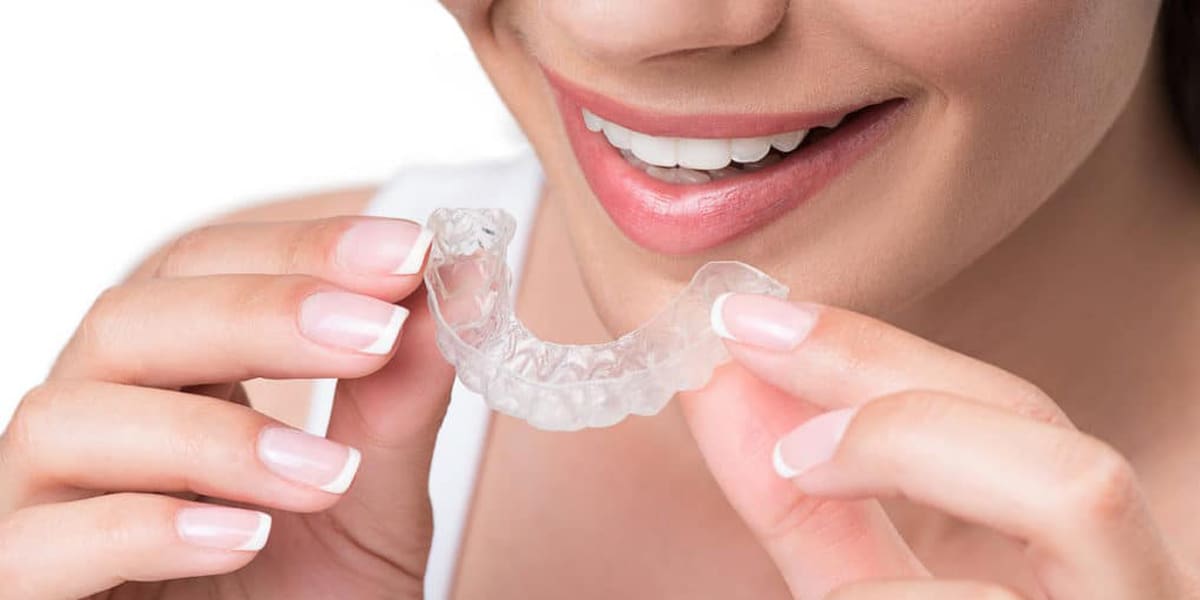
The final step is to apply fluoride, protecting your teeth and making them stronger. A dental hygienist places the gel in a mouthpiece and puts it in your mouth for a minute.
Book an appointment
Although there are different types of dental cleanings, you still need to follow a proper oral care routine. To help achieve your optimal oral health, contact your local Campus Dentist Office.