Speed Up Your Periodontal Surgery Recovery: What To Eat
Periodontal surgery is a treatment that can help restore your teeth to health and improve the quality of your life. The procedure, which a periodontist usually performs, involves removing diseased gum tissue and other bacterial material from the gums around the tooth.
Depending on your case, your periodontist can perform any of the following procedures:
Flap surgery
During this process, your periodontist cuts your gum and lift the tissue back to remove any bacteria in your tooth and gums. Once cleaned, they stitch back the gums.
Bone grafting
Grafts replace the damaged bone around your teeth during bone grafting. The bone graft can come from your bone, synthetic bone, or donor. With bone grafting, it can prevent tooth loss and restore the growth of new bone.
Soft tissue grafts
Your periodontist administers soft tissue grafts when you lose gum tissue and your gumline recedes. They remove a small amount of tissue from the roof of your mouth and attach it to the affected area. Soft tissue grafts cover your roots and teeth.
Is periodontal surgery necessary?
Getting periodontal surgery depends on the severity of your periodontal disease. In most cases, candidates for periodontal surgery are patients with the following symptoms :
Extreme pain while chewing
Teeth are loose
Gums are bleeding and swollen
Receding gums
If your periodontal disease is left untreated, there is a higher chance of bone or tooth loss. Therefore, it’s vital to consult your periodontist early on so they can explain further your options and preventive measures to take.
What to eat after a periodontal surgery?
Depending on the type of periodontal surgery you had and how severe your gum disease is, the recovery time may vary. It is, however, helpful if you take note of what foods will help you recover quickly. Listed below are five foods you should eat to promote a fast recovery:
Eat your veggies.
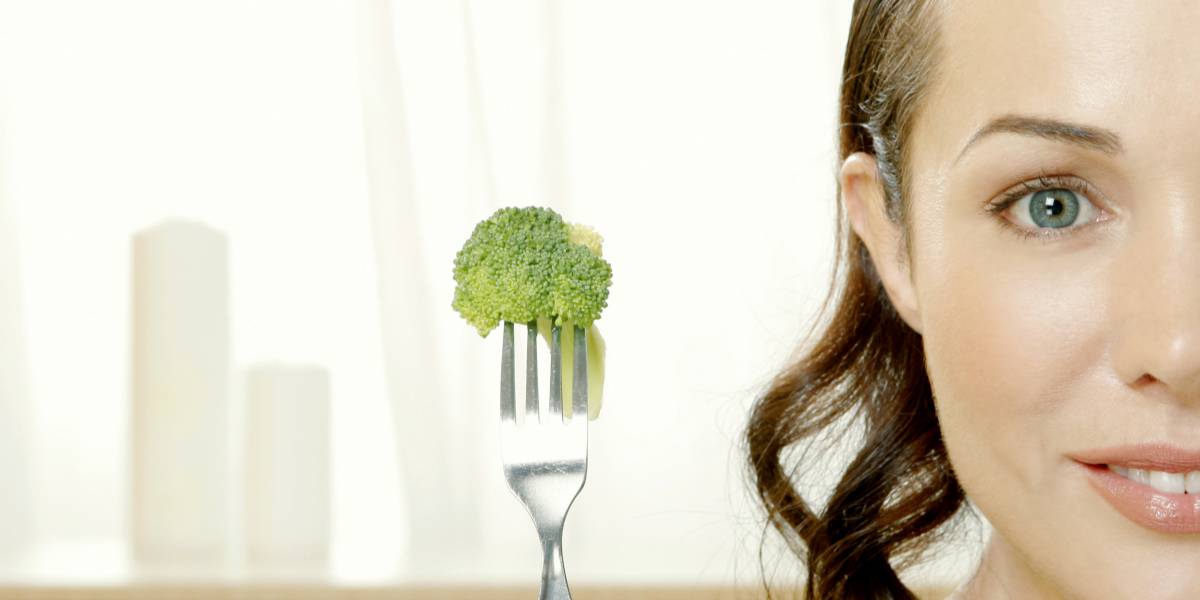
Vegetables contain many vitamins and minerals like iron, magnesium, calcium, and protein to help heal. You should not consume them raw since they can cause injury. It is best to eat them roasted and steamed since they will become softer.
Pro tip: If you’re short on time, cut them beforehand and place them in a container. When you are ready to cook them, take them out.
Do not forget your fruits.
Did you know that fruits contain anti-inflammatory properties that can help you heal. Bananas, berries, mangoes and pears are excellent sources of vitamins C and K.
Pro tip: Why not make your fruits into smoothies? They are great to fill your stomach and very nutritious. Just a reminder, though, do not use a straw when you drink your smoothie. They can cause a blood clot in the surgical area.
Soup can do wonders.
Turning your soft vegetables into soups is the perfect meal after your surgery. Since soups contain high amounts of nutrition, they can make you stronger and help you recover faster.
Pro tip: You may use chicken stock alongside your vegetables. Chicken stock will make your soups more flavorful.
Proteins repair your tissues.
Although vegetables contain proteins, you need to eat foods to increase protein in your body. A protein-rich diet is essential for healing and repairing your tissues following periodontal surgery. Aside from healing your tissues, protein also reduces your hunger.
Pro tip: Aside from chicken, pork, and beef, you can get your protein dose from eggs, tofu and beans.
As a precaution, avoid tomatoes, onion, spices, and peppers in the meantime.
Spices, onions, and peppers can irritate the surgical site. Keep them to a minimum until you have fully recovered from your surgery.
Periodontal surgery aftercare
Eating the right foods is just one component of your periodontal surgery aftercare. For the first 24 hours after your surgery, you may follow these tips:
If you see swelling on your cheeks, apply ice every 20 minutes to reduce swelling.
Bleeding is normal after your surgery. If you experience bleeding, you may use gauze or a clean cloth to absorb the blood.
Avoid physically demanding activity for two days.
You may brush and floss your teeth as long as you avoid your gums.
Rest well and keep your head elevated to allow your body to heal.
Keep the head elevated and make sure you get plenty of rest to allow the body to heal.
If you’re experiencing dental pain or discomfort, it’s essential to see a dentist. Periodontal surgery may be necessary for patients who have advanced gum disease and neglect oral hygiene habits. Schedule an appointment with your nearest Campus Dentist Office – University of Guelph Dental, University of Waterloo Dental, McMaster University Dental, University of Regina Dental, University of Saskatchewan Dental to restore your teeth!